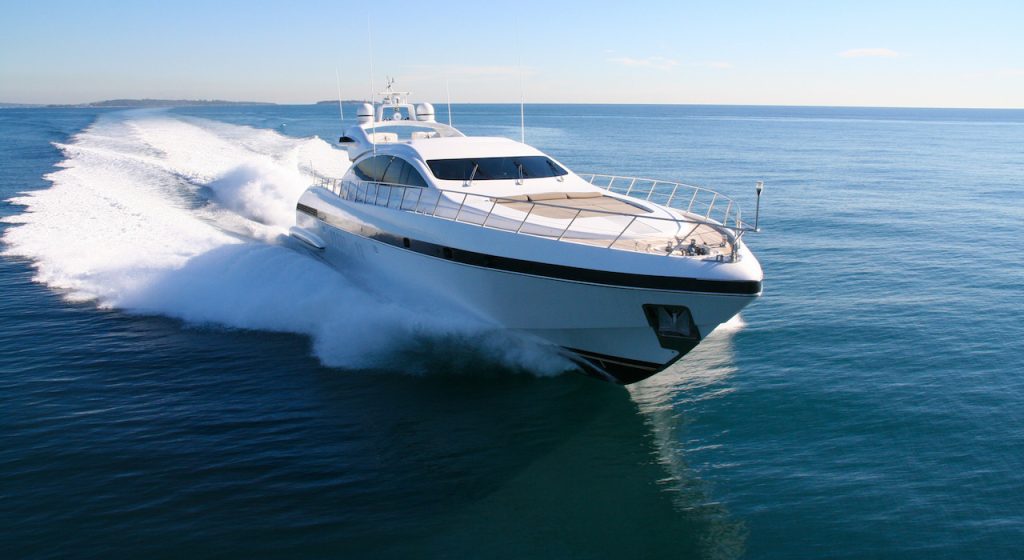


The use of composite materials is widespread in the nautical sector, where they are used to manufacture lighter, faster, more durable, and efficient vessels. Yacht and boat builders typically employ a wide range of composite materials and manufacturing processes depending on the intended use of the vessel. The technical department of MEL Composites has extensive experience in the naval sector and can advise on the most suitable solutions for all types of vessels.
- Competition sailing and motor vessels, where high strength and low weight allow for extremely high-performance structures such as the America's Cup sailing competition. Competitive sports vessels demand the most advanced materials and construction techniques.
- Patrol boats, troop landing craft, coast guard, and customs vessels. The growing demand for speed and high strength involves the choice of robust materials and advanced construction techniques.
- Recreational sailing and motor vessels, with durable materials resistant to osmotic attack.
- Submarines, with high resistance to underwater pressures as well as low radar detection.
- Methane tankers for liquefied natural gas (LNG) insulation.
- Small light sailing vessels, surfing, kiteboarding, kayaks, canoes, and rowing.
- Commercial fishing vessels, pilot boats, rescue vessels, passenger transport, and rigid inflatable boats.
High-speed vessels require extremely lightweight materials that are also impact-resistant. The high ductility of Aircell foams makes them suitable for use throughout the hull.
In general, a sandwich-type construction provides great stiffness and low weight, which can translate into lower fuel consumption, greater autonomy, or higher load capacity. All of this results in a more economical and profitable vessel.