
At MEL Composites, we believe that on-site workshops are often the best way to understand our clients' composite material needs and convey our technical expertise. By delivering our custom courses directly at the client's location, we can provide composite material training sessions that perfectly match each client's technological level.
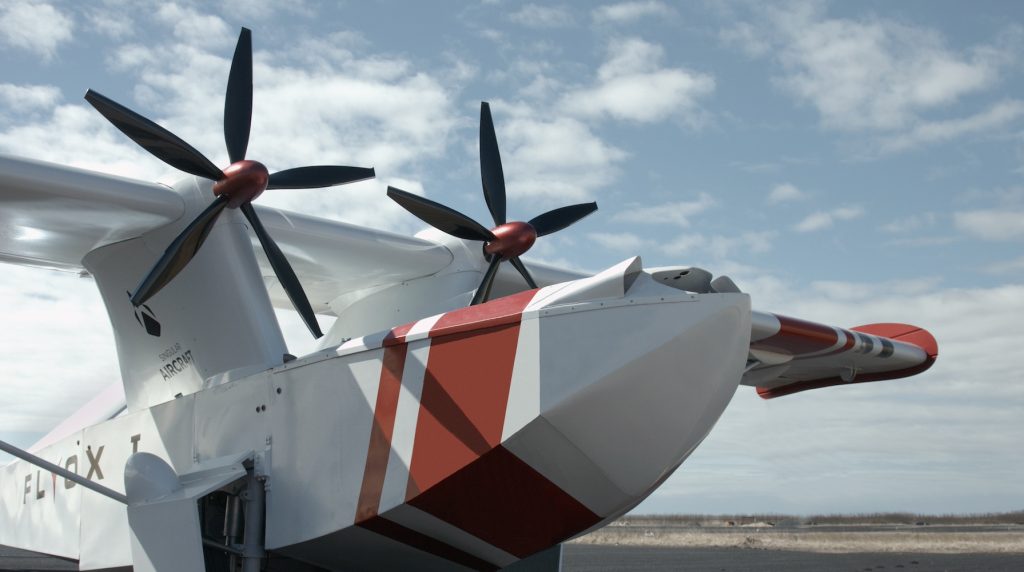
Singular Aircraft, manufacturers of the FLYAX I – the world's largest amphibious UAV– recently began a project to increase the number of composite parts used in their aircraft. The MEL Composites team quickly got to work by providing material options, advice on a new clean room and composite production area, and facilitating a 3-day training course for Singular's technical and manufacturing staff.
"A key part of a successful transition from metals to composites is understanding the most suitable technological level," says Eduardo Galofre, CEO of MEL Composites. "For Singular Aircraft, which is undertaking in-house production of lightweight composite parts for the first time, vacuum-bagged and infused components can provide impressive weight savings and excellent quality, while avoiding the cost and complexity of preparing for autoclave prepreg manufacturing."
Following a classroom introduction to composite materials and their processes, the training at Singular moved to the workshop. Guiding Singular's technicians through each step of the process, the MEL team supported the production of two composite wing parts. A solid laminate cover for the wing skin and a foam sandwich leading edge section were produced using vacuum infusion; the finished parts achieved significant weight savings compared to the existing aluminum parts.
"When a client is relatively new to the field of composites, we like to focus on the critical factors that will influence their success with the new process. We can eliminate many variables by supplying a high-quality package of materials and consumables optimized for their process, and then we show them how important consistent control of lamination techniques, workshop conditions , and curing strategy is to achieving a great result, time and time again."
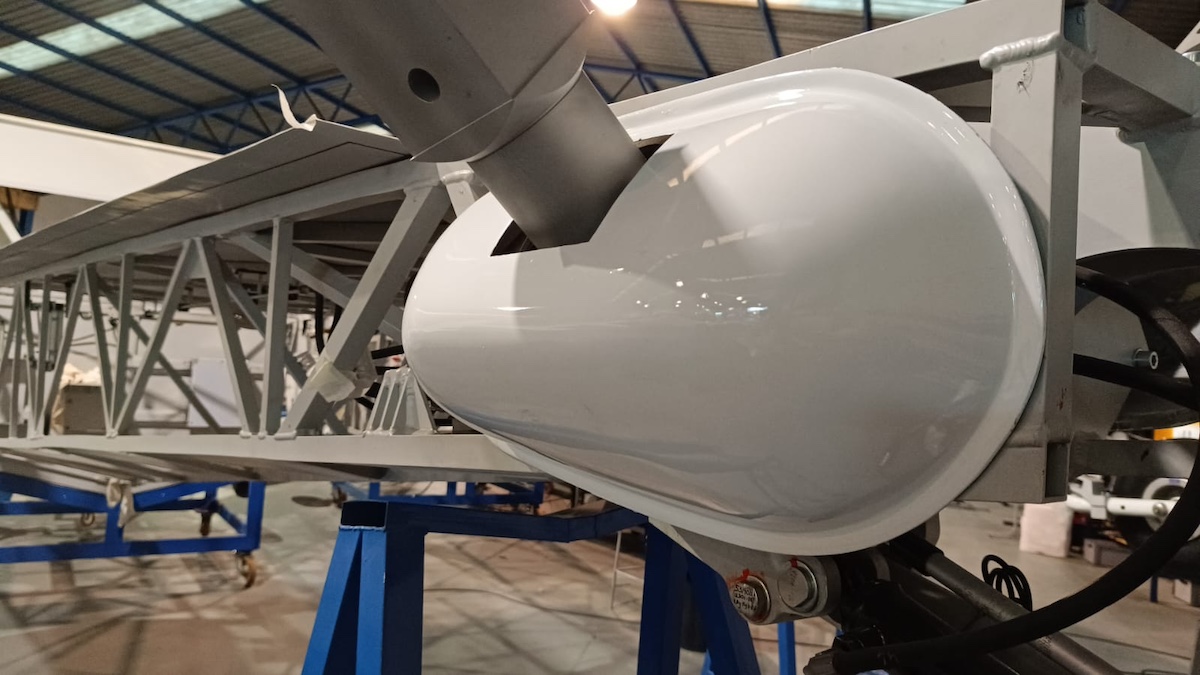
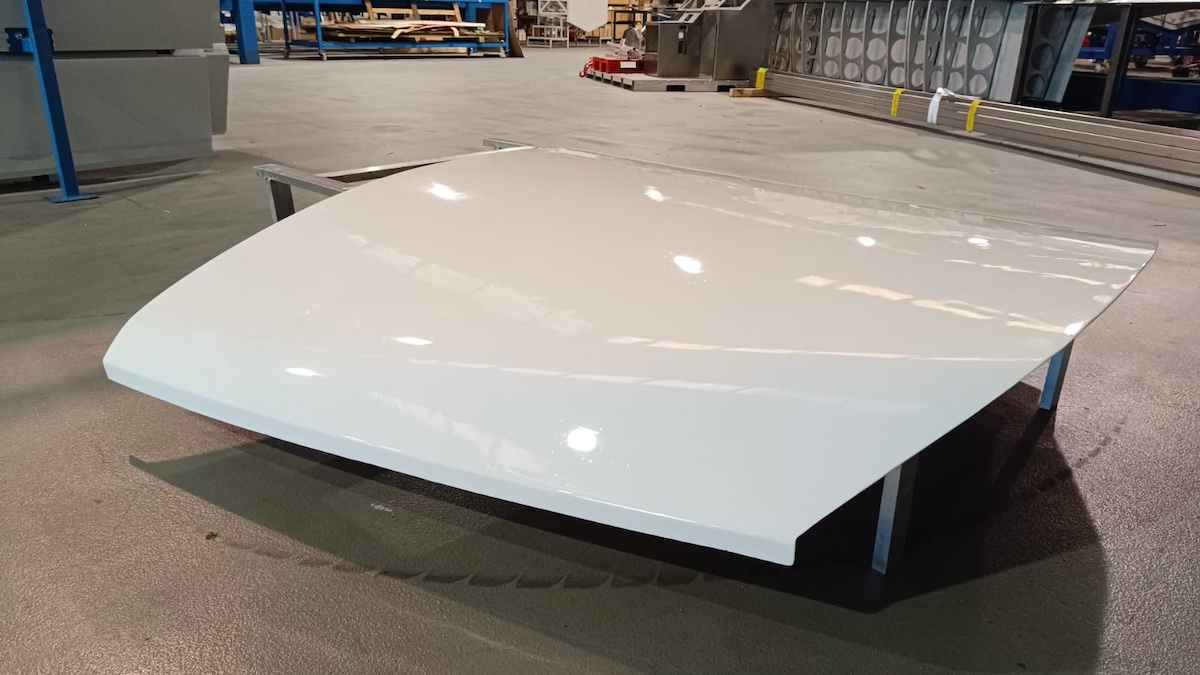
Eduardo and the MEL Composites team have helped us accelerate our composite production. As part of our strategy to reduce the weight of our fuselages and increase in-house component production, establishing a solid, high-quality manufacturing process was vital for us.
The new composite wing skin and leading edge parts we worked on with MEL Composites are just the first step in our lightweight composite journey. We are now preparing facilities and tooling to expand our capacity to other monolithic and foam sandwich parts.